
As the local council have recently agreed to build 1,500 houses on the Dunsfold site, I reasoned that events like this will soon be coming to an end, so I booked my ticket immediately. And then started worrying about the weather…
Saturday morning dawned and it didn’t look good. The previous day had been wet and windy throughout, and I had taken the day off work to get the groceries done ahead of the big day. Now, with the roads saturated and under leaden skies, I headed off to Dunsfold.
I had received strict instructions to enter the site via the North gate, which is not my usual approach vector, and frankly the road from Godalming to Dunsfold via Milford was atrocious – mostly single track, climbing hills and dipping down into thick woodland, flooded in places and populated by idiots in expensive 4x4s who seem to think that nothing will ever come the other way, and obviously have enough money to get away with it if something does come the other way.
No, I certainly didn’t enjoy that journey, but once on-site the full majesty of Britain’s last great civil airliner became clear…
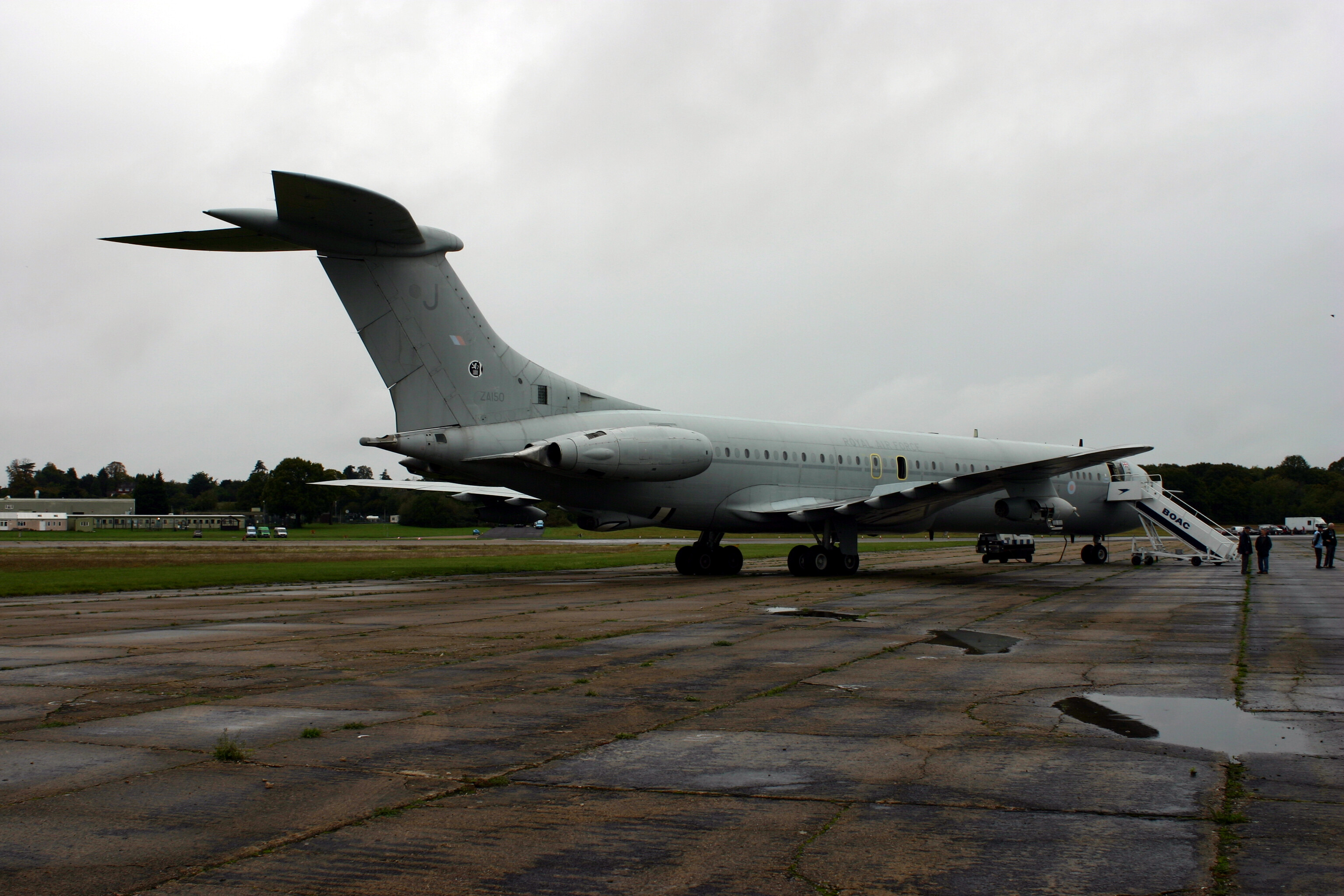
OK, so painted a dull grey it doesn’t quite leap off the page, but it is still a magnificent looking aircraft. This particular example is the very last one built at the Weybridge factory, in February 1970, number 54 out of 54, and spent the majority of the 1970s flying with East African Airways. Following EAAs demise in 1977, the aircraft was repatriated and put into storage at BAC Filton before being acquired by the RAF in 1978 for conversion into an aerial refuelling tanker. She was finally pensioned off in 2013 and acquired by the Brooklands museum.
The day started with a tour of the cockpit, with an ex-EAA pilot as a guide.
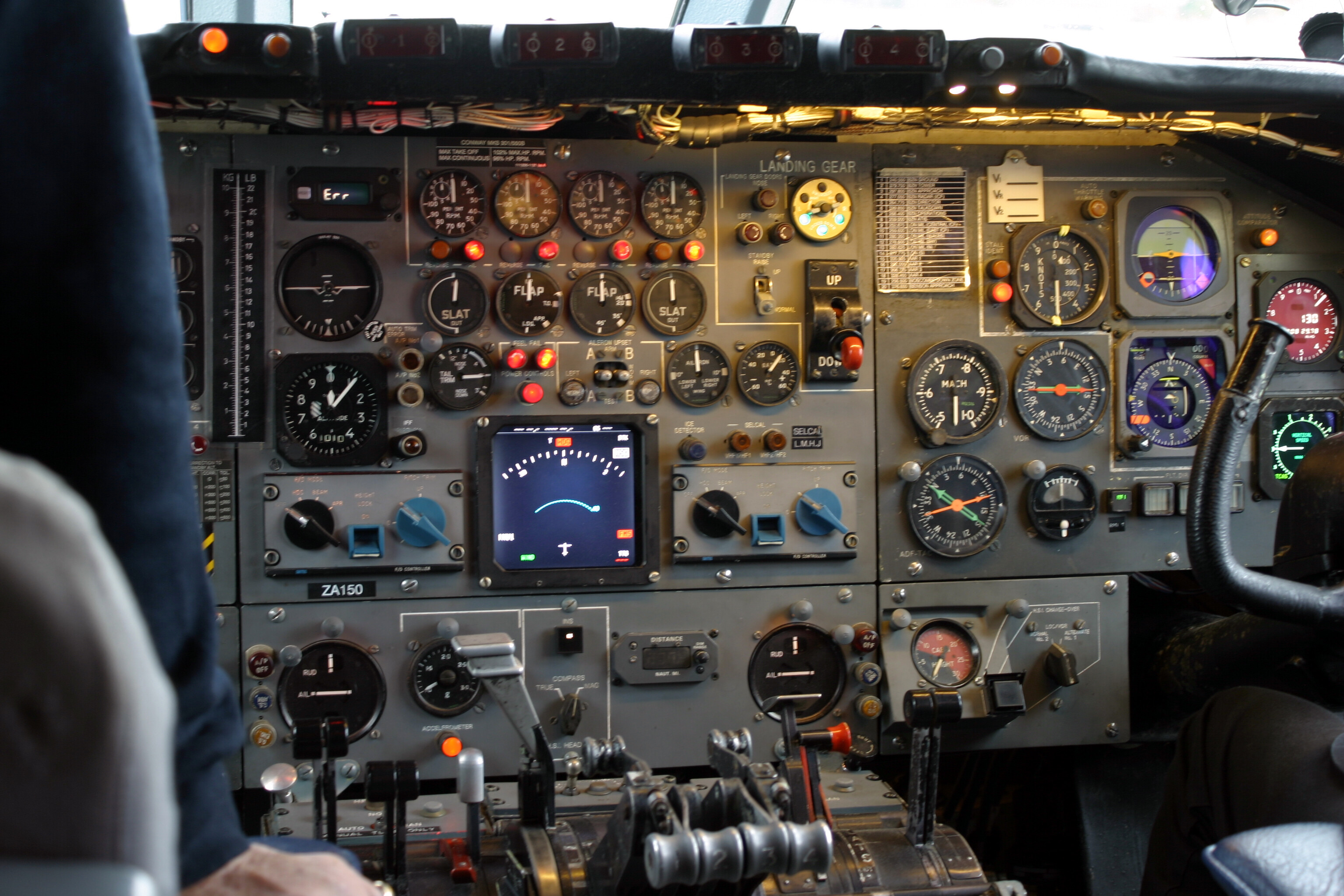
This is the control panel, fully populated with instruments, unlike the example at Brooklands, and clearly benefiting from some “glass cockpit” upgrades over the years. This was followed by a tour of the fuel tanks and the rear section of the aircraft, which features inspection periscopes on either side of the enormous tail fin. These were used in commercial service to check for icing on the flying surfaces, and in military service to check for damage to the empennage caused by buffeting when taking on fuel from another VC10 tanker.

The stirring sight of four Rolls-Royce Conway turbofans and that massive T-tail. The vertical fin alone has a fuel capacity of 5 tons! Because the VC10 was intended for the British Empire (later Commonwealth) air routes, it was designed to fly out of short runways at high altitude and at high ambient temperatures. As such, it had reserves of power and lift that put modern airliners to shame, and to this day still holds the subsonic transatlantic speed record – only Concorde has crossed the pond faster.
Tour over, it was time to check out the Napier-Railton…
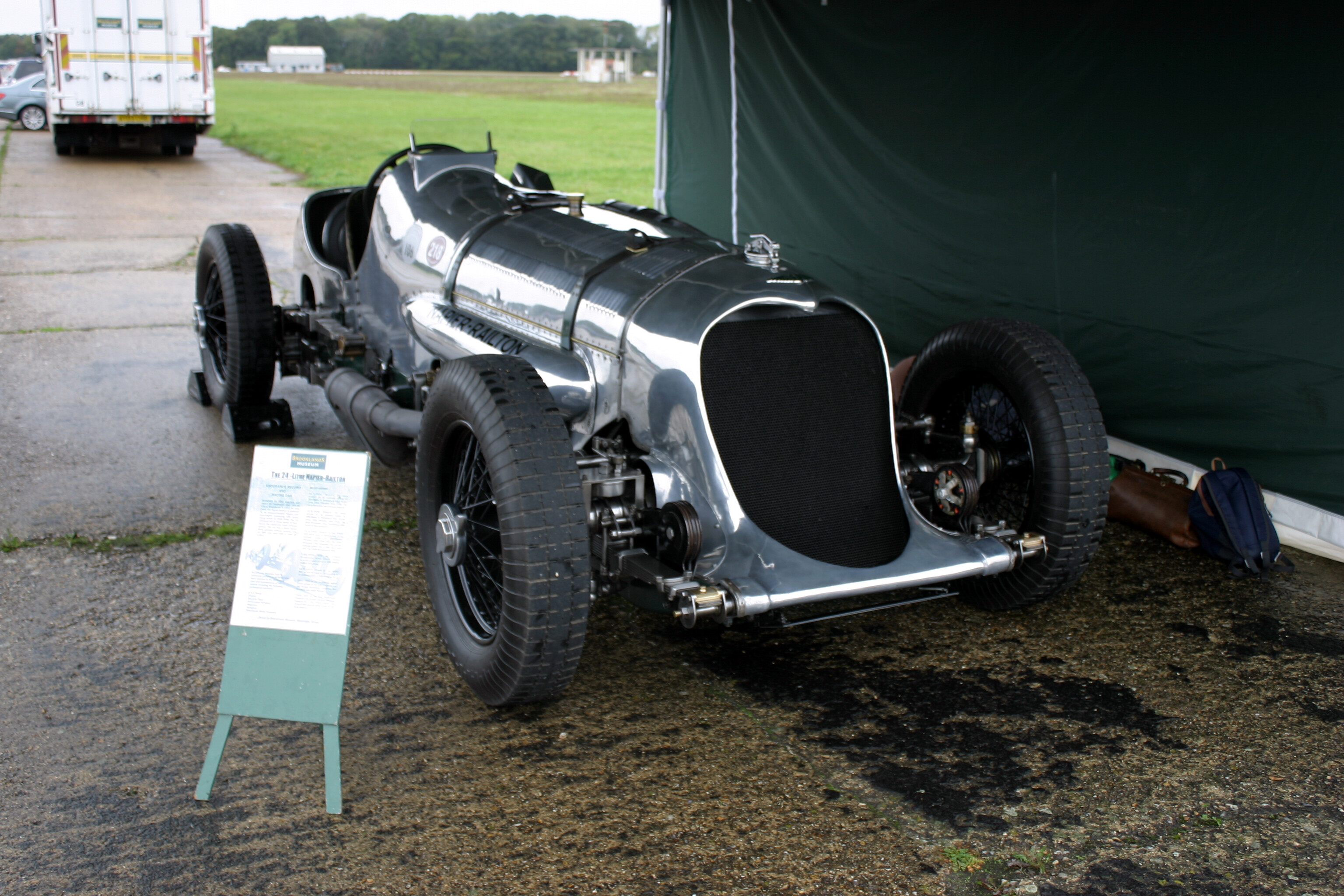
...Which incredibly also has a history here at Dunsfold. Originally built in the early 1930s, using a leftover Napier Lion W12 aircraft engine, the car had a distinguished racing career at Brooklands and holds the outright lap record there. After the track fell into disuse after the war the car was sold to a company in Woking that manufactured air brake parachutes for aircraft, and the car began its second life as a mobile test bed for these parachutes, which were mounted in the tail of the car, where the beautiful polished aluminium boat-tail now resides. The brakes were also upgraded at the time, to enormous Dunlop disc brakes, taking from an aircraft, but still operating only on the rear wheels!
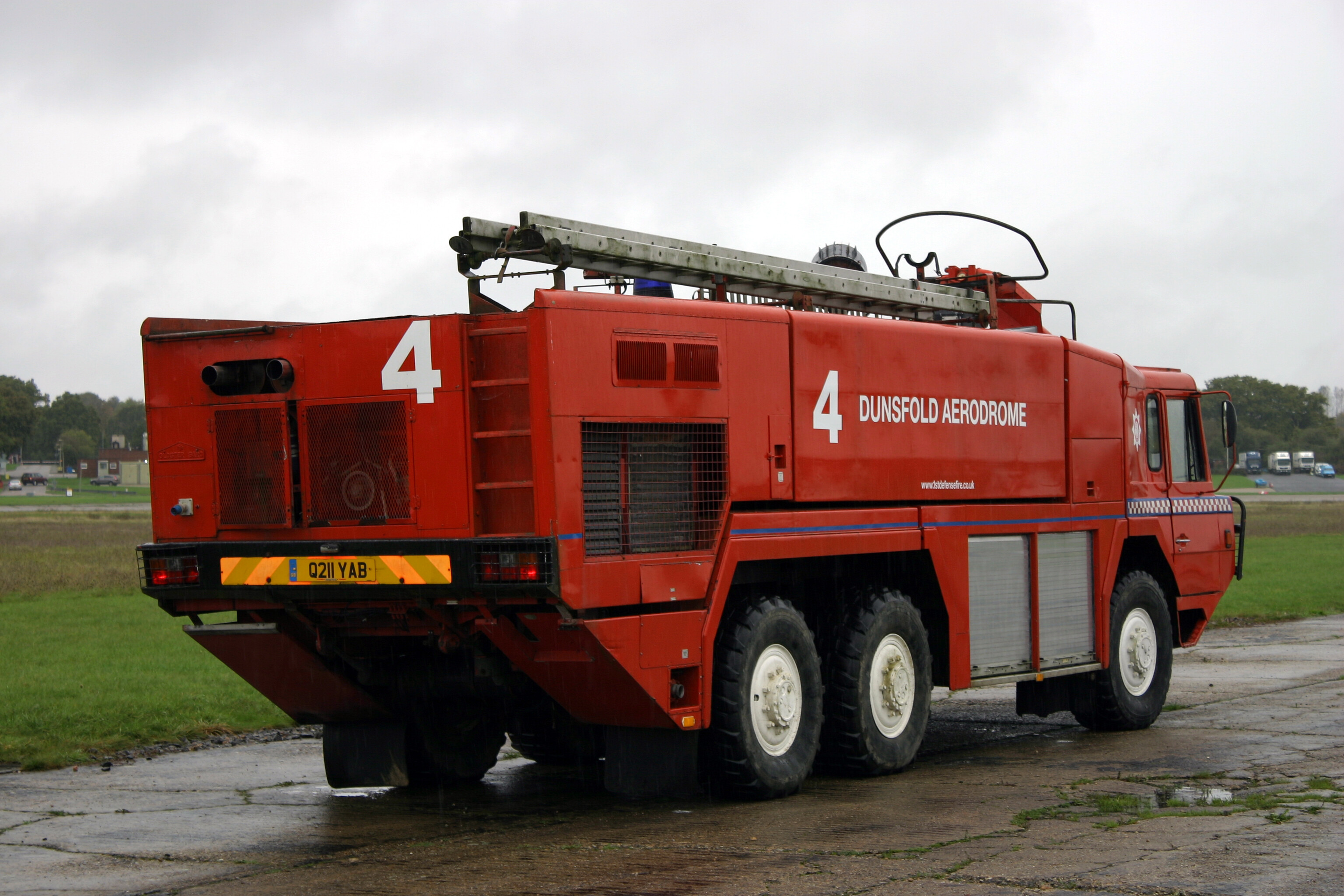
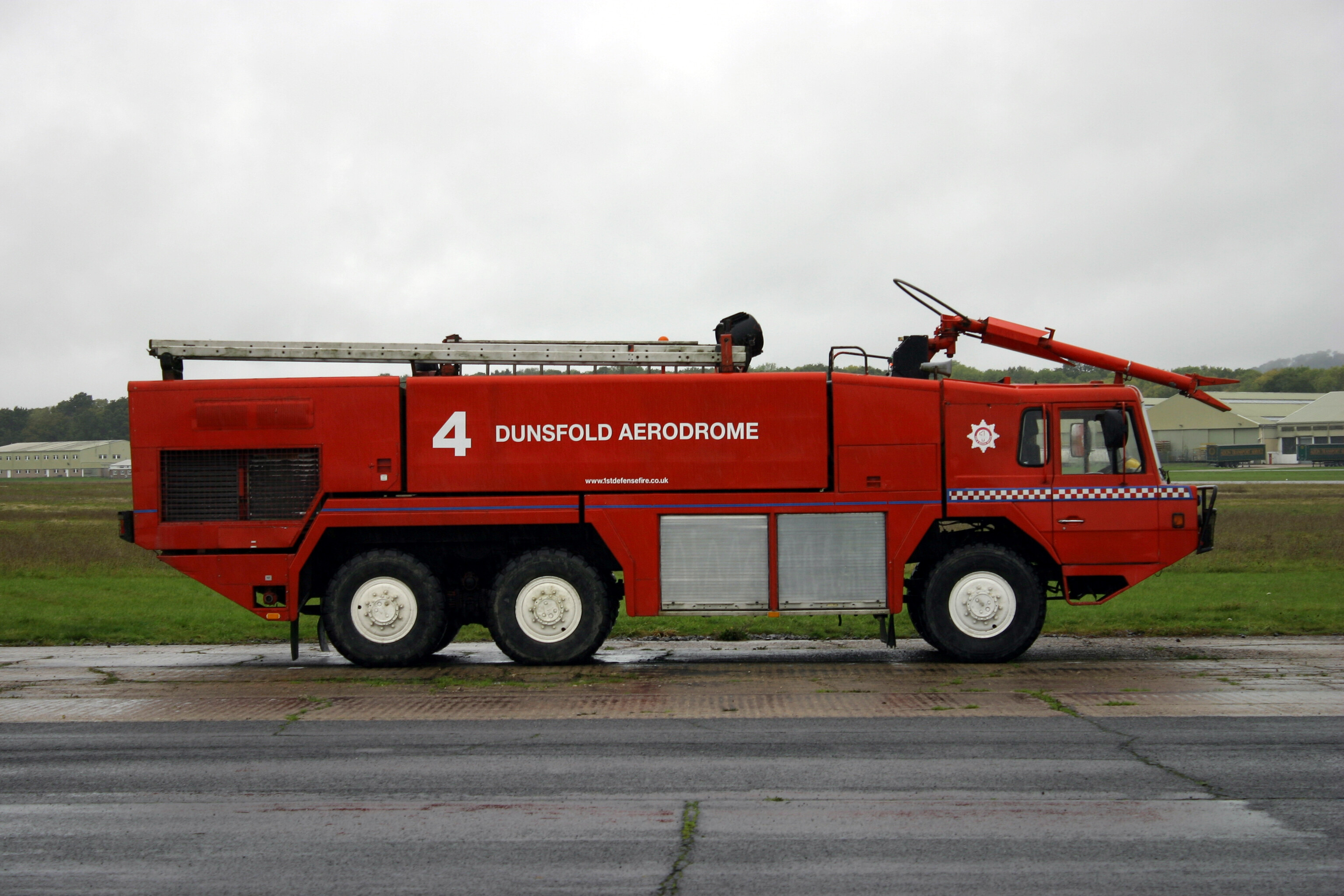
Thunderbirds are go!
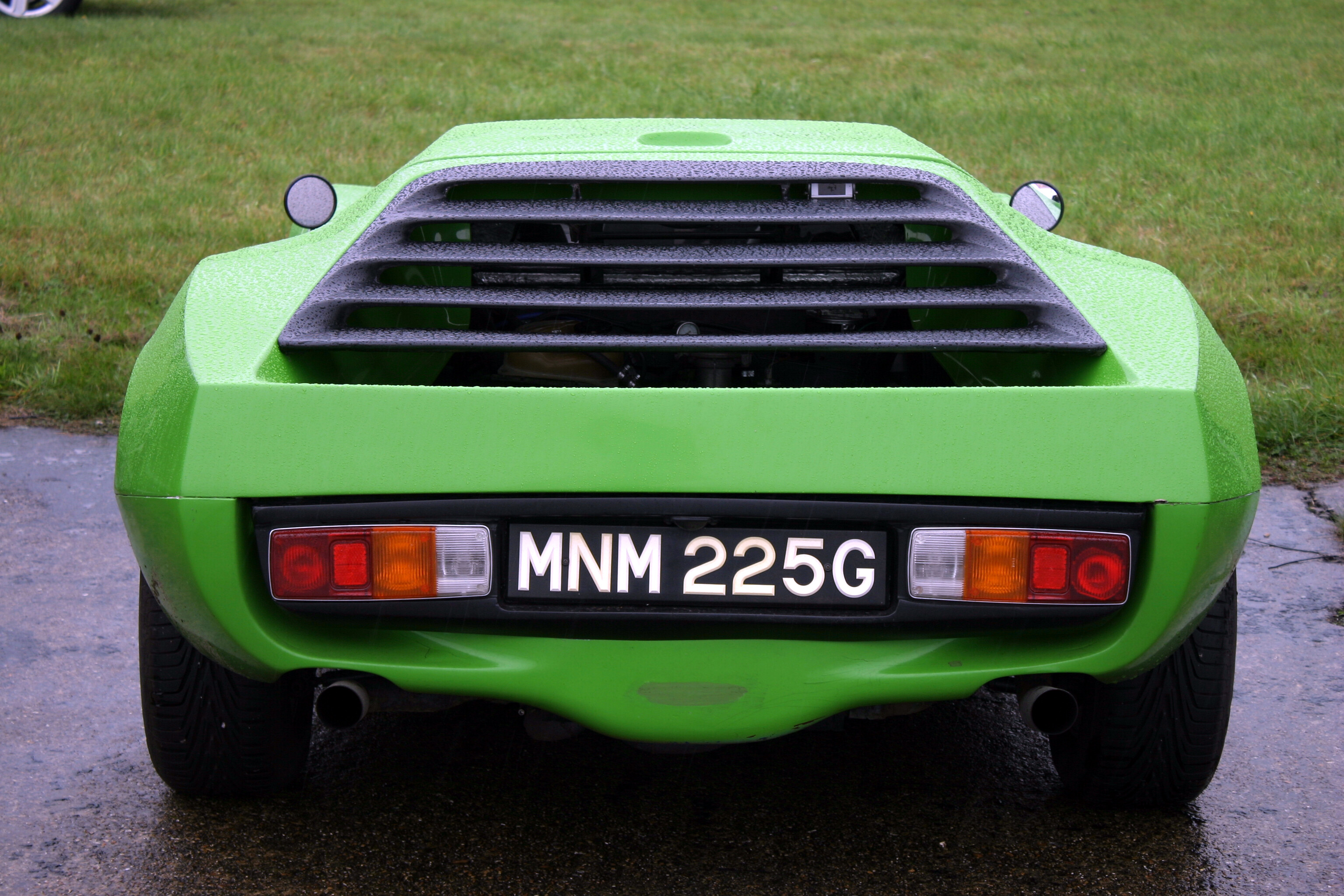
Another futuristic vehicle from the past…
The rain arrived in earnest in time for the VC10 taxi run. After a short delay getting the APU to light, the Conways started spooling up...
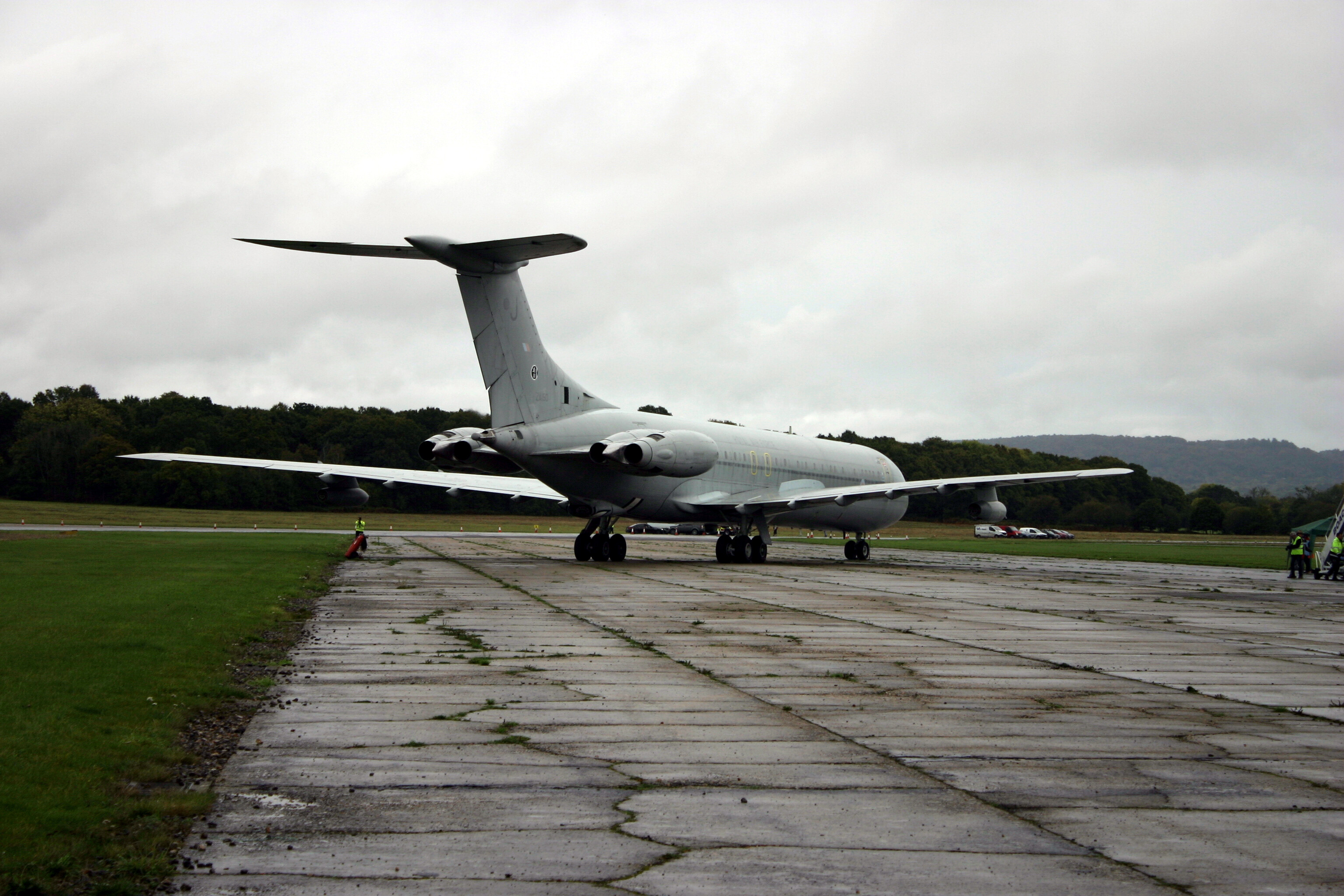
...And the aircraft moved into position on the runway, before flooring it…
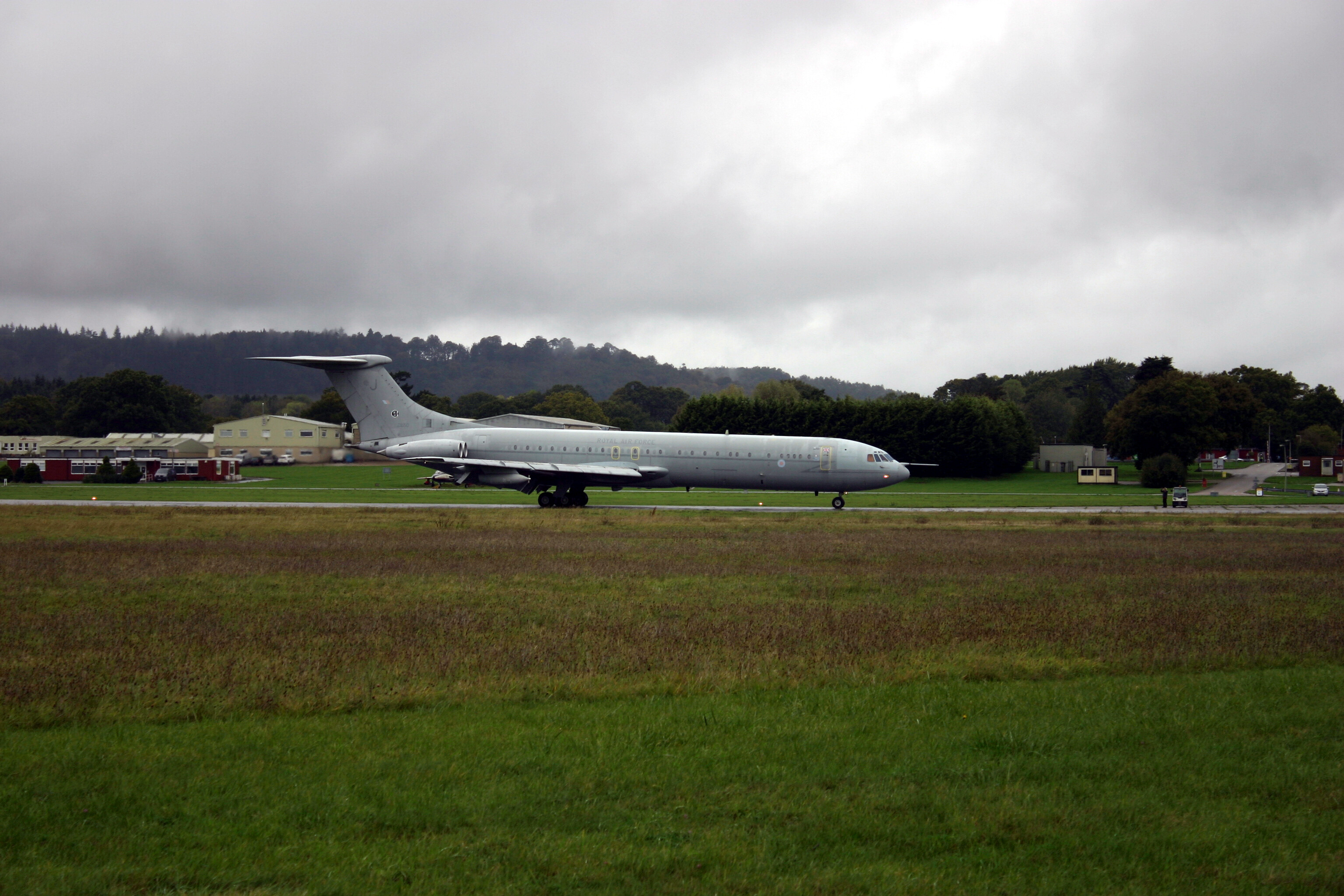
Full military power!
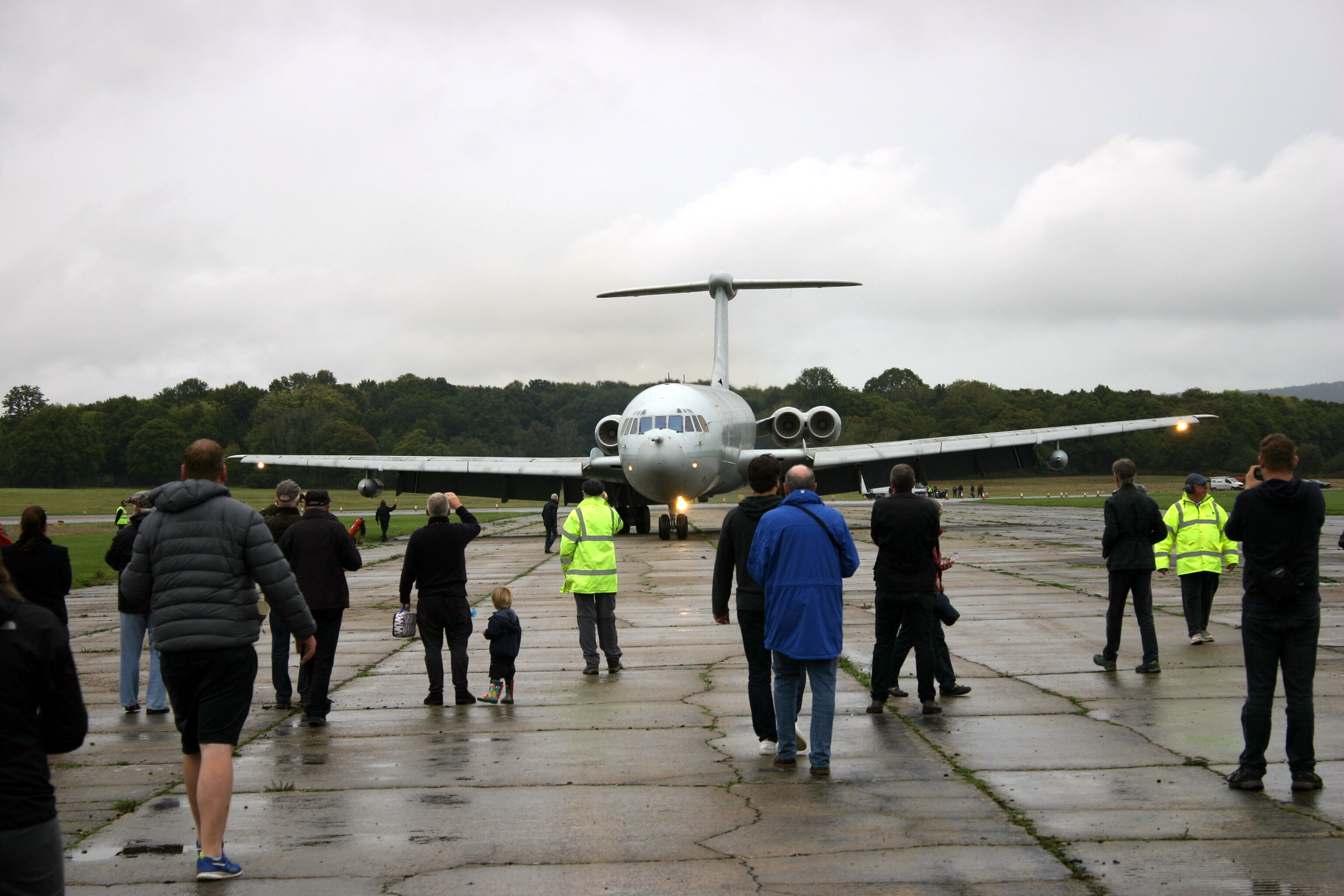
Taxiing back after it was all over. In spite of being low bypass turbofans, the Conways were actually surprisingly quiet.
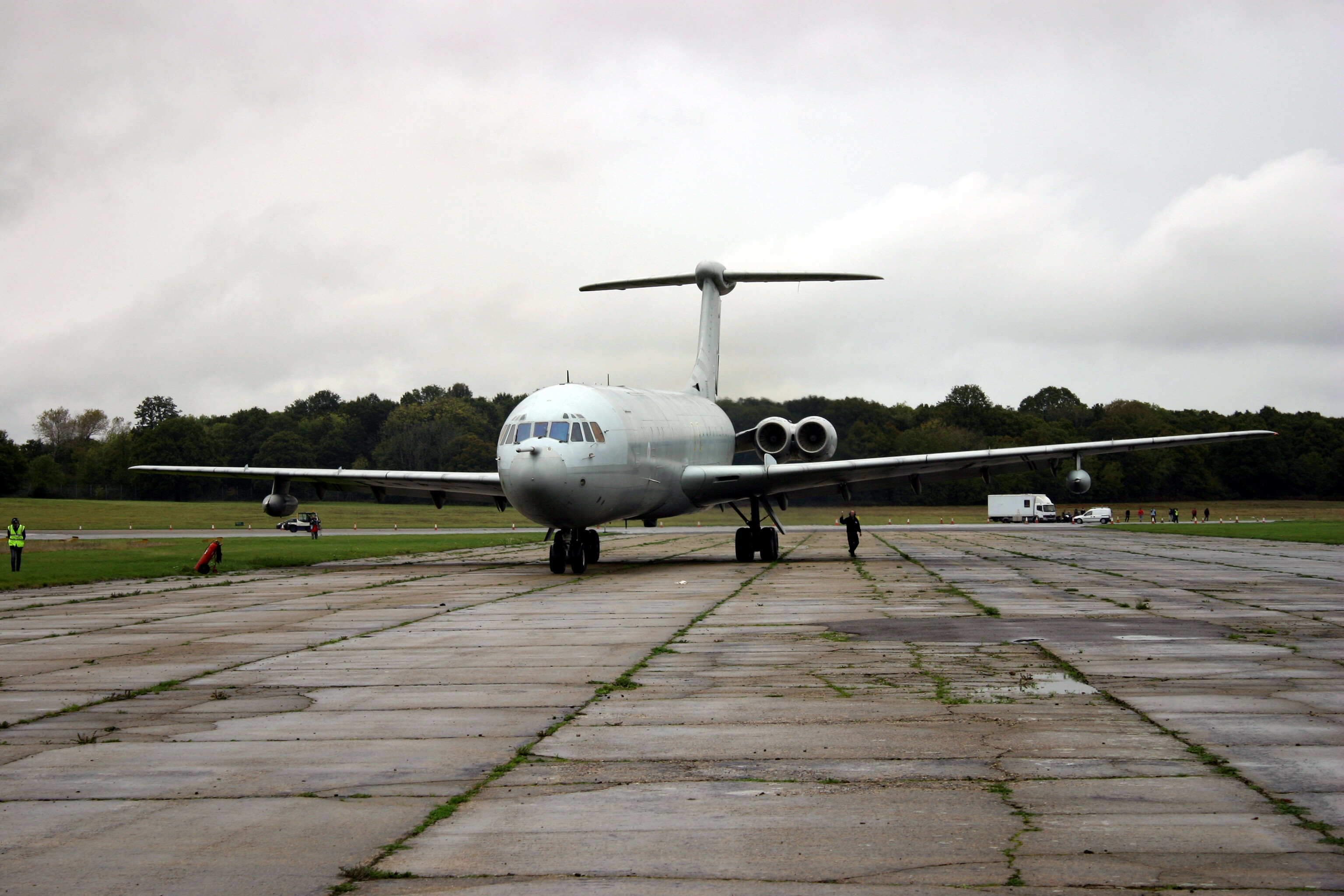
And shut-down after a successful mission

Then it was time for the Napier-Railton to do its thing…
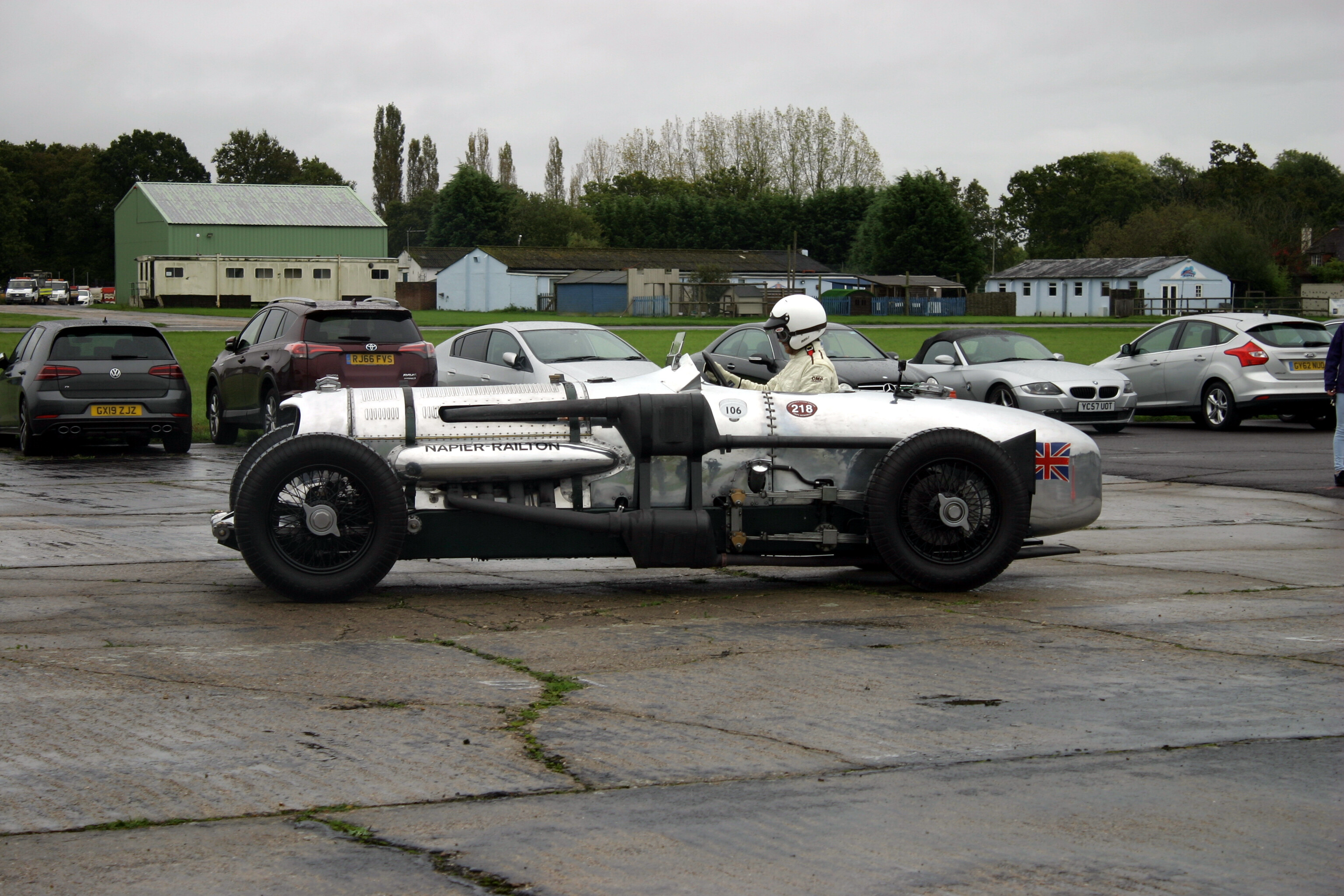
It did look heroic charging down the runway in a ball of spray, but also quite small in the viewfinder of my wholly inadequate kit lens. So I didn’t take any more pictures.
And that was it. I jumped back in the car, drove back along the same horrendously dark and flooded single track road until I finally got back onto the A3 for the short drive home. Total mileage 52.4 miles, at an average of 34 mpg.
Lauren


