
45 minutes later, and here I am, outside the main visitor entrance. What a lovely day! What a great way to arrive! I’m really getting into this holiday lark


Flashing my Brooklands Trust card at the gate was all I had to do to get in, and I have virtually got the whole museum to myself today. However, the museum volunteers are allowed to park their cars on-site, and there were some nice cars too, I have always admired this one…

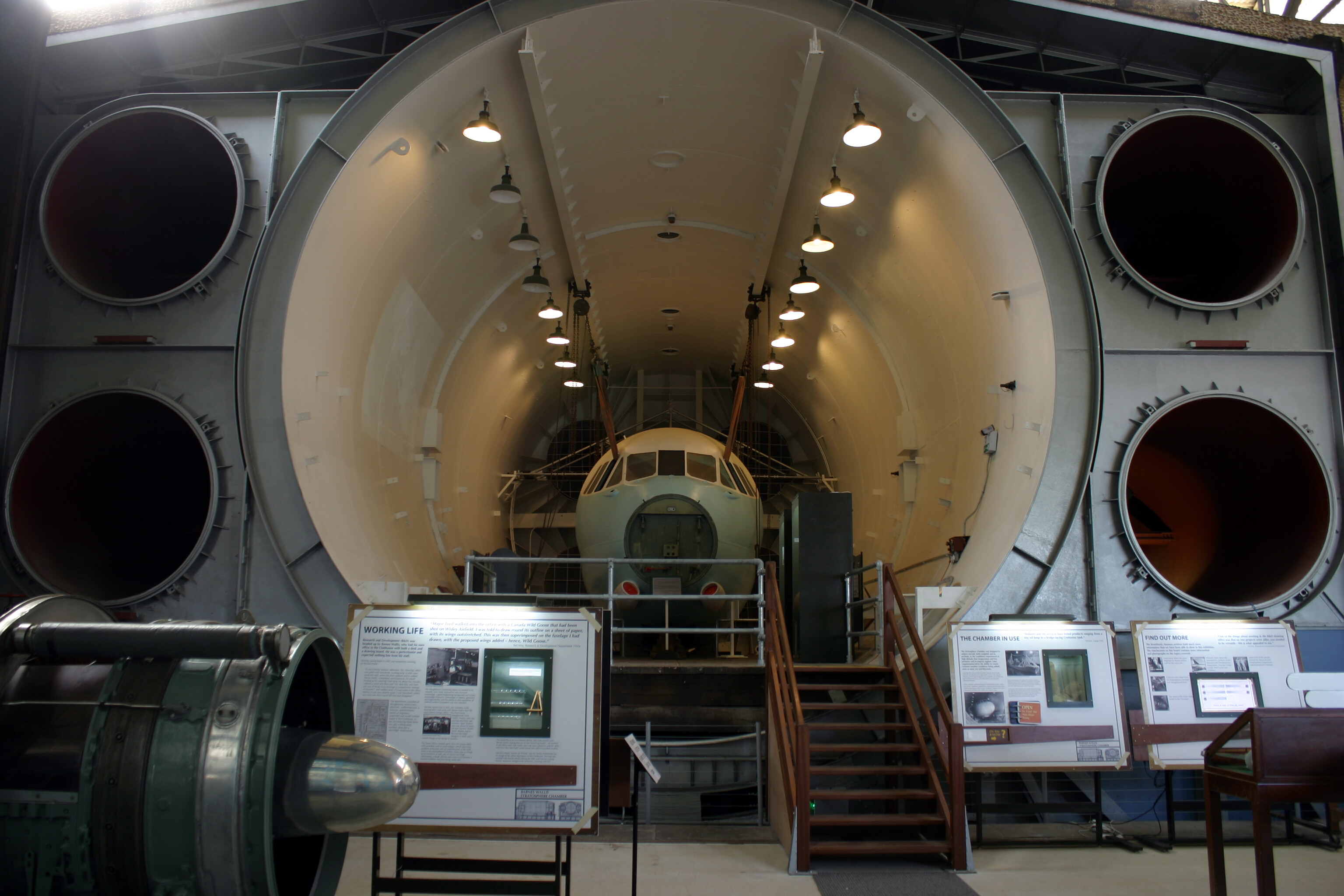
So, where to first? For me, it has to be the Stratosphere Chamber, the 1950s equivalent to the spacecraft vacuum chambers we use at work. Back in 2012 I took a picture of the open chamber, with the nose section of a Vickers Valiant in its gaping maw. Now repainted in its original dull silver, the Valiant nose has moved to the so-called “aircraft factory” nearby, and the pressurised cockpit section of a Vickers Vanguard occupies the chamber instead.
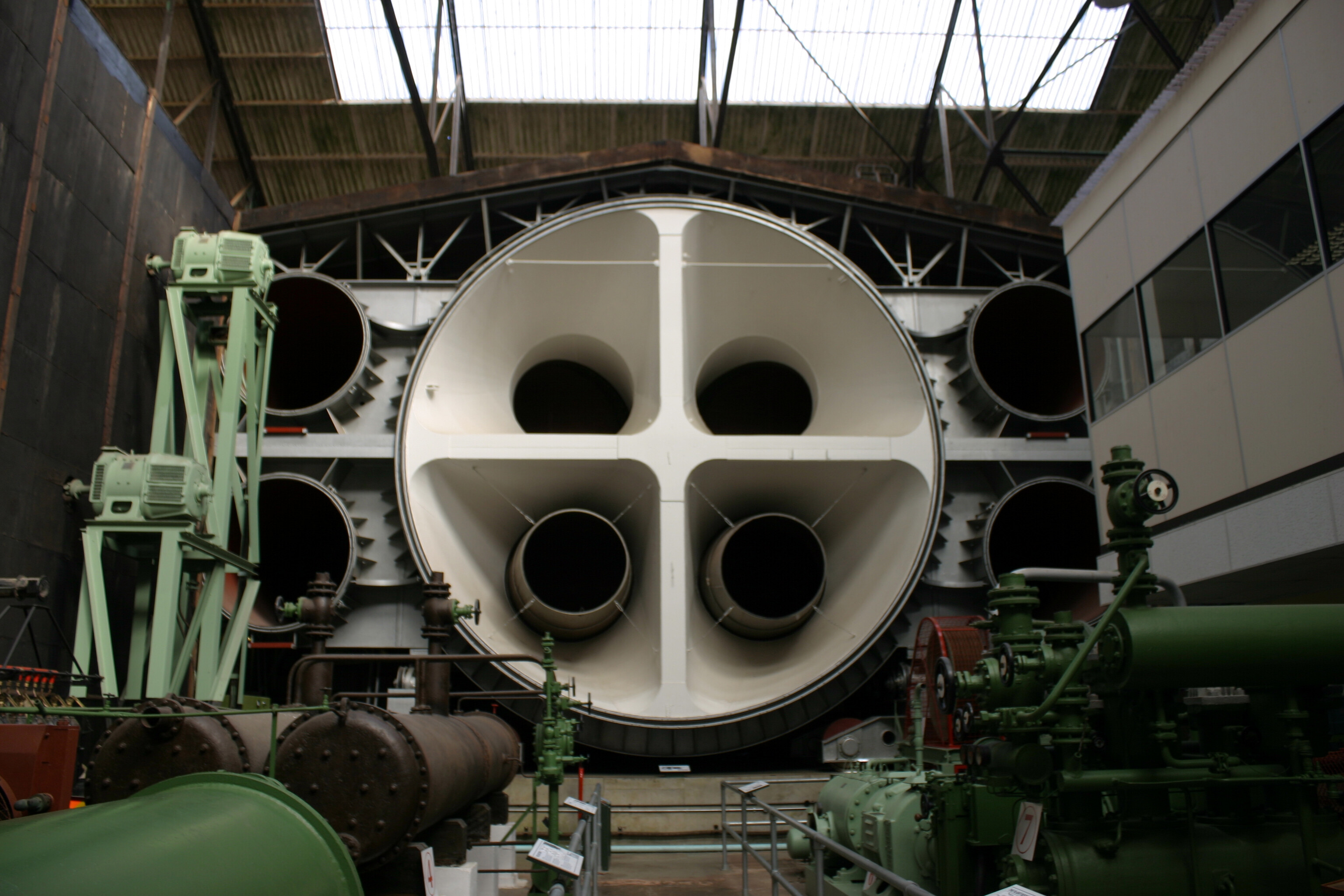
In the adjacent plant room, where the ammonia cooling towers and evacuation pumps reside you can see the enormous door to the chamber, with the internal ducting used to blow frigid thin air at whatever was inside...
And this is the bridge from the control room to the access hatch (very like a submarine) through the wooden cladding used to insulate the chamber from the ambient air outside…

As well as aircraft pressure cabins, all sorts of vehicles were tested for cold weather starting, icing effects on flying surfaces and the rigging on North Sea trawlers. Even people were tested, for mountaineering and Polar exploration missions.
In the main control room I found a copy of RAF Flying Review on display, dated July 1958...

The cover depicts the Swallow supersonic swing-wing bomber, designed by Barnes Wallis at Brooklands, delivering nuclear Armageddon to some unfortunate Russian city. Such a cool aircraft though. Although it never got beyond the unpowered model stage here in the UK, it is widely believed that the US reneged on a technical exchange agreement and successfully used the sliding pivot concept developed by Wallis in the F-111, which when promised to the RAF effectively proved to be the final straw for the TSR-2 programme. Oh well, at least we have the artwork…
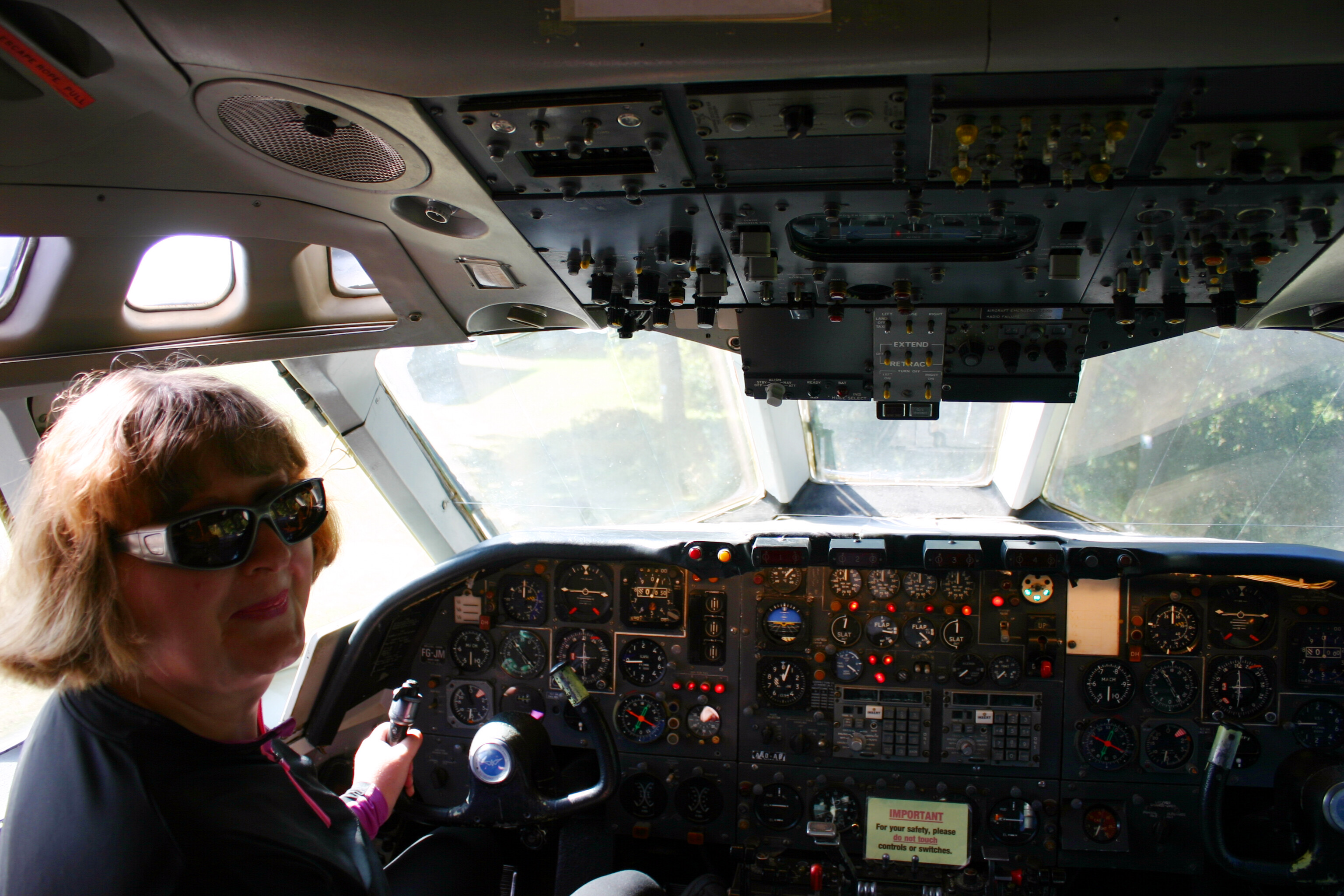
Good afternoon, ladies and gentlemen, and welcome aboard this Vickers Super VC10 flight to the outer reaches of an over-active imagination. This is Captain Spacenut in the driver’s seat. We will be cruising at an altitude of 12 feet, because that is how high the fuselage is above the ground…
It was a really nice day out. Once I had come down to Earth I had a quick shufty around the museum shop (I resisted the temptation to spend loads on money there and then, but next time I might not be able to help myself), and then hopped back in the car, reset the Nav computer for the trip home and that was that. Total distance travelled was 71.8 miles, with an average fuel consumption of 40.2 mpg.
Lauren